


By Dr Torres Corpas – Specialist in Revision Surgery and Breast Implant Replacement
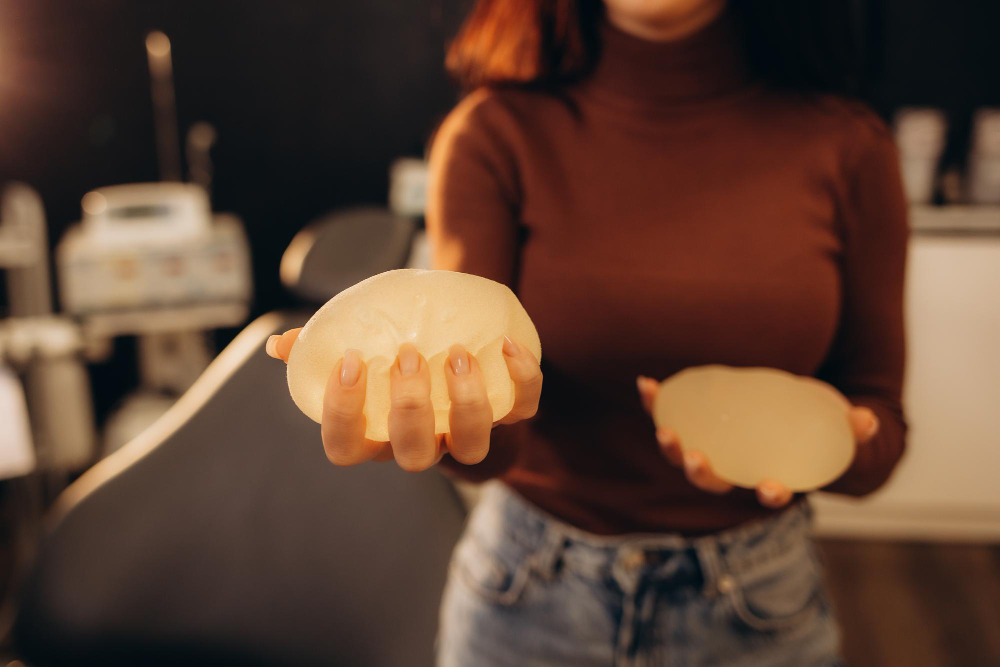
Having breast implants means a long-term commitment to your health. Although today’s high-end implants are extremely durable, they are not necessarily for life. At my practices in Malaga and Marbella, the question I am asked most often is: “How do I know if my implants need replacing?”
Understanding the signals your body sends is essential to act in time and keep the breast healthy and aesthetically flawless.
Main reasons for breast implant replacement in 2026
There are three main scenarios in which surgery stops being an option and becomes a necessary medical or aesthetic recommendation:
Implant rupture: Sometimes it is silent (with no clear symptoms) and is detected by ultrasound or MRI. In other cases there is a slight deformity or localised discomfort.
Capsular contracture: The tissue around the implant becomes excessively hard. If your breast feels rigid, painful or has moved upwards, you are probably dealing with a contracture that needs surgical treatment.
Ageing of the tissues: Over the years, natural sagging of the breast (ptosis) or changes after pregnancy can mean the implant is no longer in its ideal position. Replacement allows the implant to be repositioned and the breast to be lifted at the same time.

Safety technology in implant replacement: what we do in Marbella
When we carry out a replacement at our clinics on the Costa del Sol, we do not simply swap one material for another. We apply advanced safety protocols:
Capsulotomy or capsulectomy: If there is hardening, we remove or release the old capsule so that the new implant sits in a soft, natural pocket.
Micro-textured implants: We use the implants with the lowest complication rates on the world market, minimising the risk of the problem recurring.
Triple antibiotic irrigation: A strict protocol to keep the risk of biofilm or subclinical infection to a minimum.
Table: how to tell if something is wrong with your implants
| Symptom | Possible cause | Recommended action |
| Very hard or cold breast | Capsular contracture. | Assessment by Dr Torres Corpas. |
| Sudden change in shape | Rupture or displacement. | Urgent breast ultrasound. |
| Visible wrinkles when bending over | Rippling or insufficient tissue coverage. | Replacement with fat grafting (lipofilling). |
| Loss of volume or sagging | Tissue thinning / atrophy. | Implant replacement with mastopexy. |
Frequently asked questions
Q: Is a ruptured cohesive gel implant an emergency?
A: It is not a life-threatening emergency, because modern gel does not spread through the body, but it should be scheduled and resolved within a few weeks to avoid irritation of the tissues.
Q: Does implant replacement cost the same as a first breast augmentation?
A: It depends on the complexity (whether the capsule has to be removed or the breast lifted). At our practices in Malaga and Marbella we prepare a personalised quote after a physical examination.
Q: How long is the recovery after a replacement?
A: It is usually faster than the first time. Most of our patients on the Costa del Sol return to normal life within 3 or 4 days, avoiding strenuous exercise during the first month.
Trust the right hands
If you suspect something has changed in your breast, or your implants are more than 10–15 years old, prevention is your best ally. In Malaga and Marbella, Dr Torres Corpas offers you an honest diagnosis and an excellent surgical solution.
Do your implants need a check-up? Book your appointment now and regain peace of mind about your health and your appearance.
If you would like your case assessed, you can book a consultation with Dr Jesús Torres Corpas in Marbella or Malaga, or read more: Breast Augmentation in Malaga and Marbella. Reference information: patient information on breast implants from the Spanish Agency of Medicines (AEMPS).


